Pet ownership in the UK remains high
Around 60% of households (17.2 million) kept pets in 2024, according to UK Pet Food (formerly the PFMA). This sustained demand of pets and their foods underpins steady category growth and continued investment in new food formats and ingredients.
Analysts value the UK pet-food market at around US $3.0 billion in 2024, with a projected compound annual growth rate of approximately 3.8% through 2030. Premiumisation and the introduction of novel proteins remain key growth drivers.
Regulatory expectations are also evolving. BRCGS Food Safety Issue 9 requires pet-food manufacturing sites to meet all relevant legislation for both the country of production and sale (Clause 5.8.4), while retailer audits apply comparable standards.
Novel inputs are moving from pilot to production. The UK has approved cultivated meat for pet food, and the first dog treats containing cultivated chicken reached the market in February 2025. In parallel, insect proteins are permitted within defined contexts—most notably aquaculture—though additional rules apply elsewhere in the feed chain. Producers using insect meals must still address the same core challenges: flowability, hygiene, and product integrity on the line.
For manufacturers, the priorities are clear: demonstrate safety, ensure consistency, and maintain throughput as recipes diversify.
Production Pressures in Modern Pet Food Manufacturing
Pet-food formulations have become increasingly complex. The move toward high-protein, grain-free, or functional recipes has changed the physical properties of the ingredients entering production.
Powder and meal flowability is a consistent issue, particularly where formulations use fresh meat meals, vegetable proteins, or insect-derived inputs. These materials tend to absorb moisture, leading to clumping and blockages in hoppers or transfer lines. Consistent particle sizing through precise sieving and screening helps maintain predictable flow and dosing accuracy.
Allergen control presents another challenge. Cross-contact risks are heightened where facilities produce both dry and wet foods, or multiple recipes for different species. Equipment must be designed for complete clean-down between runs, with smooth stainless-steel contact surfaces and quick-release components to eliminate residue build-up.
Hygiene and compliance are non-negotiable. Retailer audits increasingly align with human food standards, requiring traceable segregation of raw and finished materials, hygienic zoning, and compliance with UK feed hygiene and EU Regulation (EC) 183/2005. Effective conveying and screening design supports these requirements by reducing manual handling and potential contamination points.
Designing for Throughput, Hygiene and Operator Safety
Processing efficiency depends on more than line speed. Consistency of dry and free-flowing feed, controlled vibration, and ease of access all affect long-term reliability.
Gough’s circular and linear screening systems are engineered to maintain high throughput without compromising cleanability. Options such as quick-release decks, tool-free screen changes, and fully welded stainless-steel frames support frequent product changeovers when required while minimising downtime.
Dust management is also critical. Enclosed transfer systems and integrated dust-extraction units help maintain air quality in compliance with HSE guidance, while ATEX-rated components such as ATEX-certified sealed motors help protect against ignition hazards in powder-handling zones.
By integrating screening and conveying solutions that are easy to sanitise and built to last, manufacturers can achieve stable, repeatable performance across a wide range of pet-food formats — from kibble and treats to freeze-dried and semi-moist products.
Future-Proofing Pet-Food Production Lines
With cultivated proteins and new ingredient classes emerging, flexibility has become an essential design parameter. Equipment that can adapt to variable moisture levels, densities, and batch sizes will determine how quickly producers can respond to regulatory approvals and consumer demand.
Gough’s long experience in food and feed handling allows its engineering teams to design systems that meet the sector’s evolving needs — maintaining the same focus on hygiene, consistency, and reliable throughput that has defined the company since 1940.
Reality Case - Gough Solution Example - Kibble
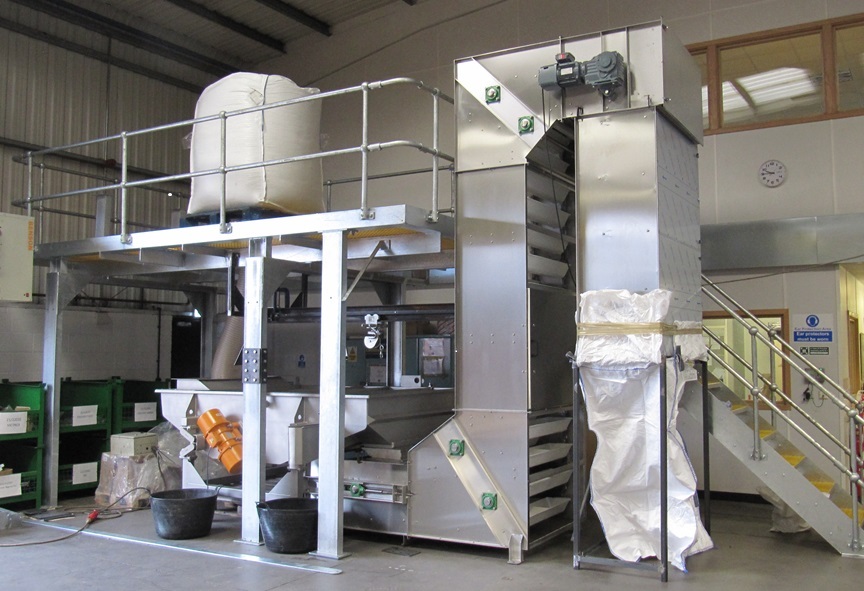
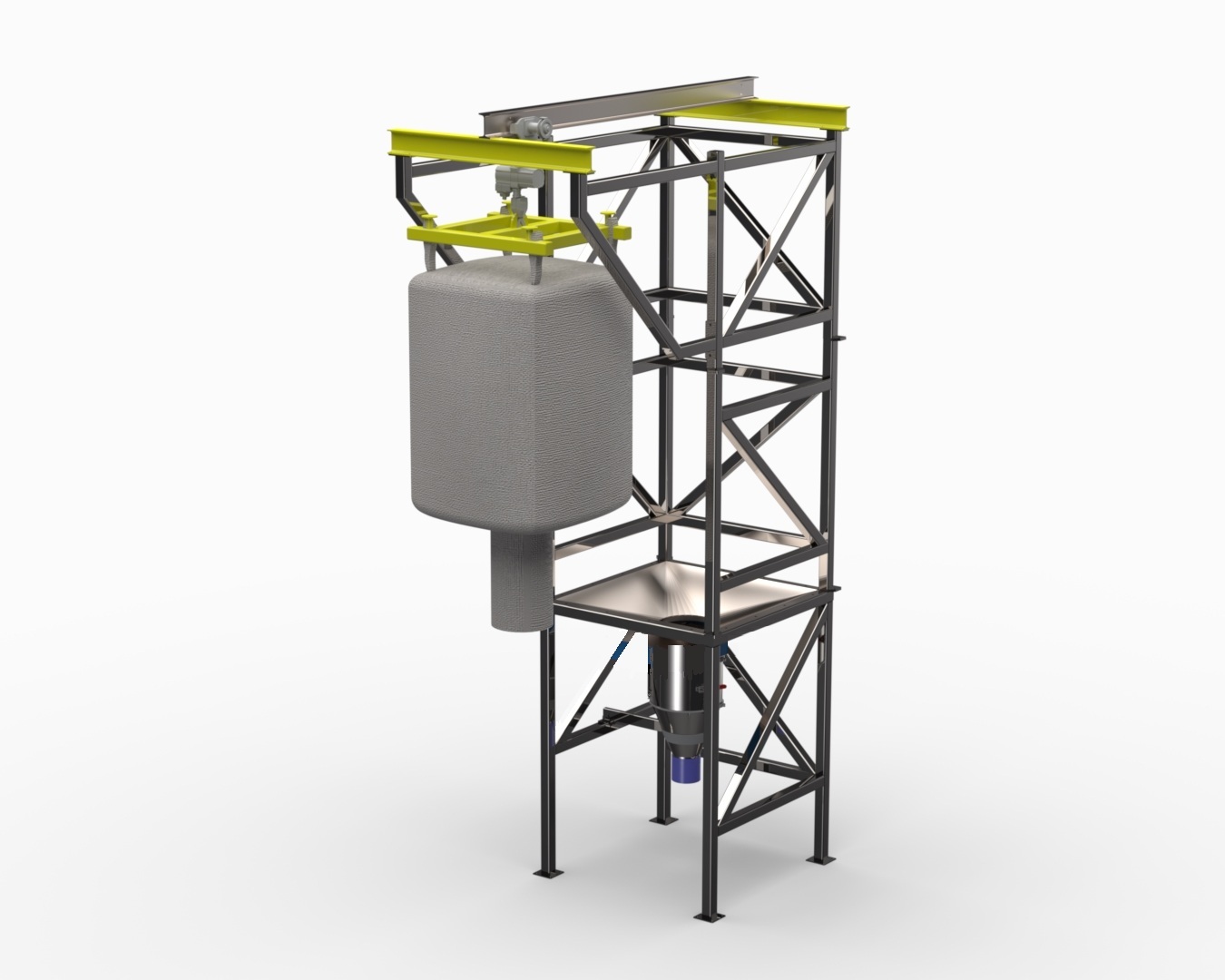
Gough Engineering has implemented different types of systems depending on the application and requirements. One example for a major pet food supplier in the UK, was to discharge kibble, dry food pellets from IBC type containers, perform a quality checking screen process removing broken kibble pieces (fines) and transferring the good product to a bucket elevator to provide height and length conveying in a safe pendulum bucket solution (with no degradation) before discharging into a fully automated packing line. This is one example of the integrated scheme approach from concept to full design drawings, discussed with the client throughout the design phase for the perfect solution.
Useful Links
Some useful links to equipment used in the pet food industry:
Industrial Batch Sieves | Gough Engineering
Rip and Tip Stations | Gough Engineering
Floveyor Aeromechanical Conveying | Gough Engineering
Vibrating Linear Screen | Gough Engineering
Industrial Bucket Elevators | Gough Engineering
Vacuum Conveying using Piab Pneumatic Systems | Gough Engineering
Integrating of quality control processes and conveying systems within Conveying Schemes | Gough Engineering
➡️ If you’re upgrading your pet-food line or reviewing suppliers, our engineers can help specify systems that meet your hygiene, compliance, and performance targets.
Contact our team to discuss your process.